Single-Axis Product Directory
Linear Modules for Industrial Automation
Choose by drive type, enclosure and frame size, then open the exact model page for detailed specifications.
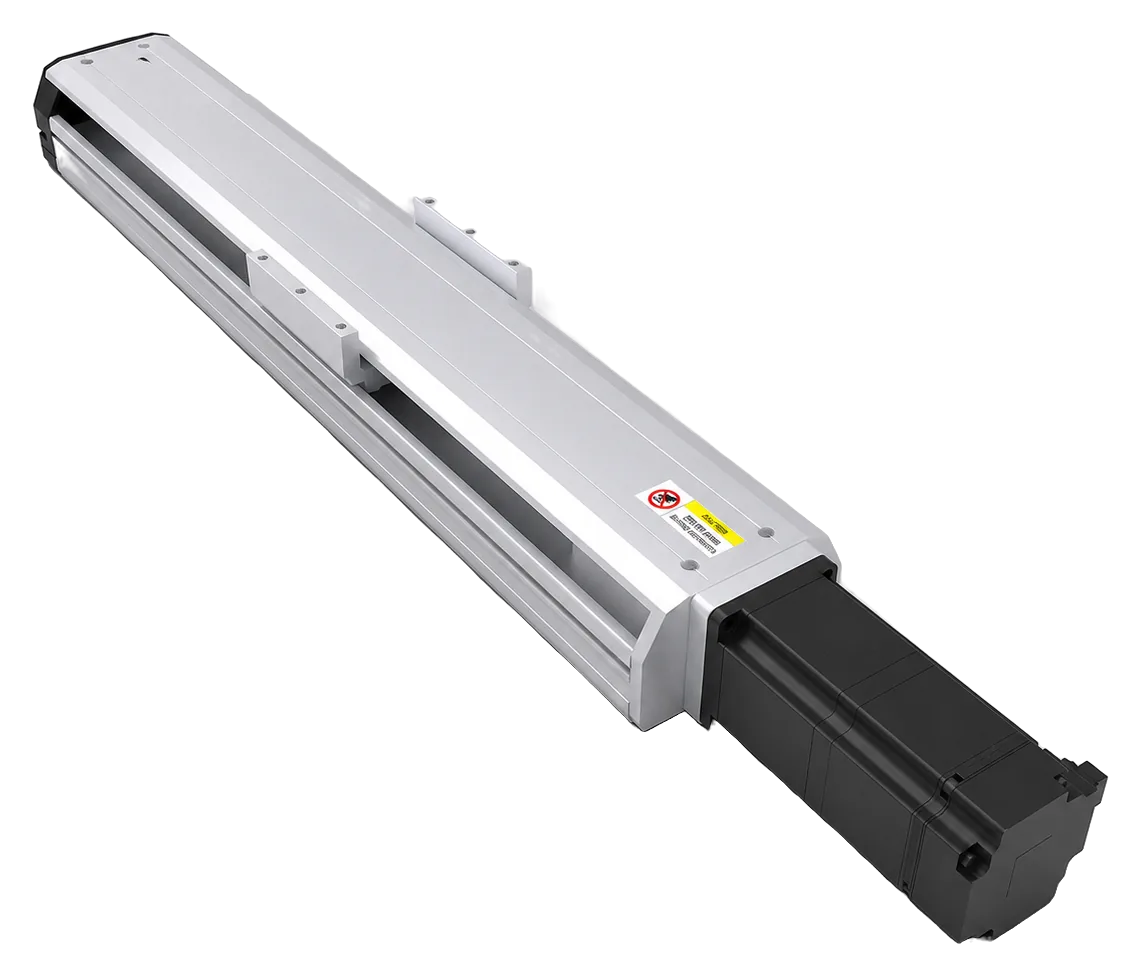
BS SERIES
Ball Screw Linear Modules
Ball-screw positioning modules grouped by enclosure structure. Choose a series, then open the exact frame-size page.
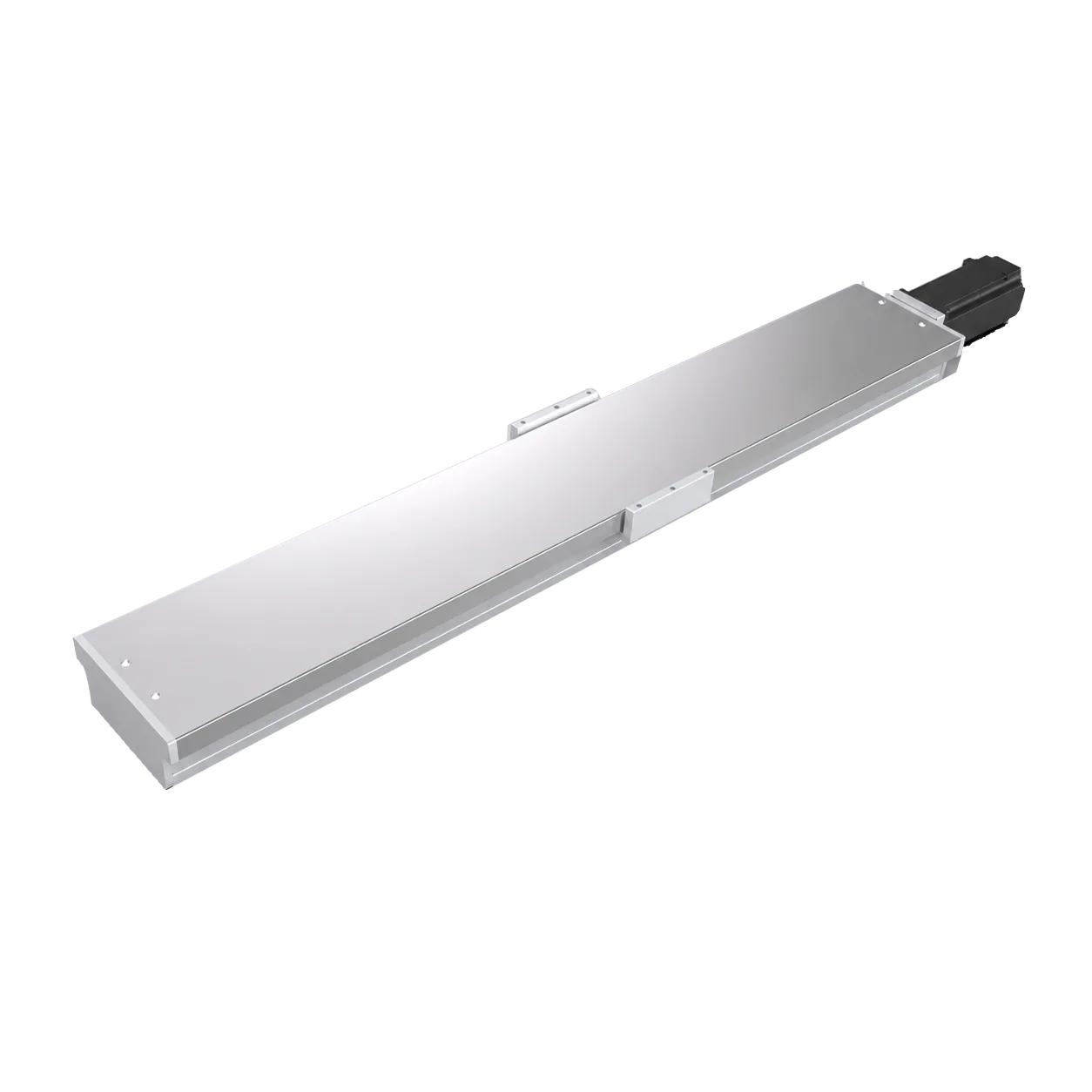
BSFD Series
Fully enclosed ball-screw modules with an enhanced protection-oriented cover design.
Size-code guide: The numeric suffix identifies the nominal body-width class; for example, 140 means the 140 mm class.
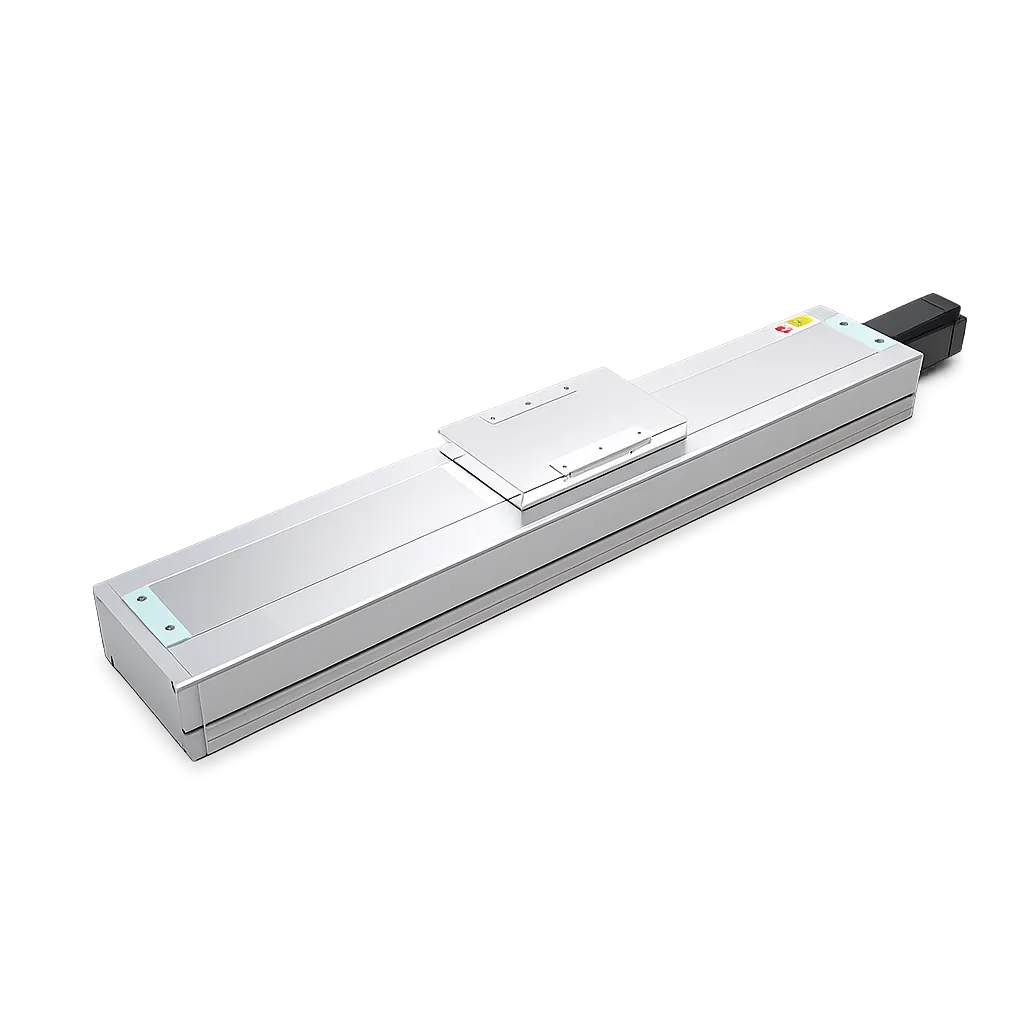
BSF Series
Standard fully enclosed ball-screw modules with a clean external profile.
Size-code guide: The numeric suffix identifies the nominal body-width class; for example, 140 means the 140 mm class.
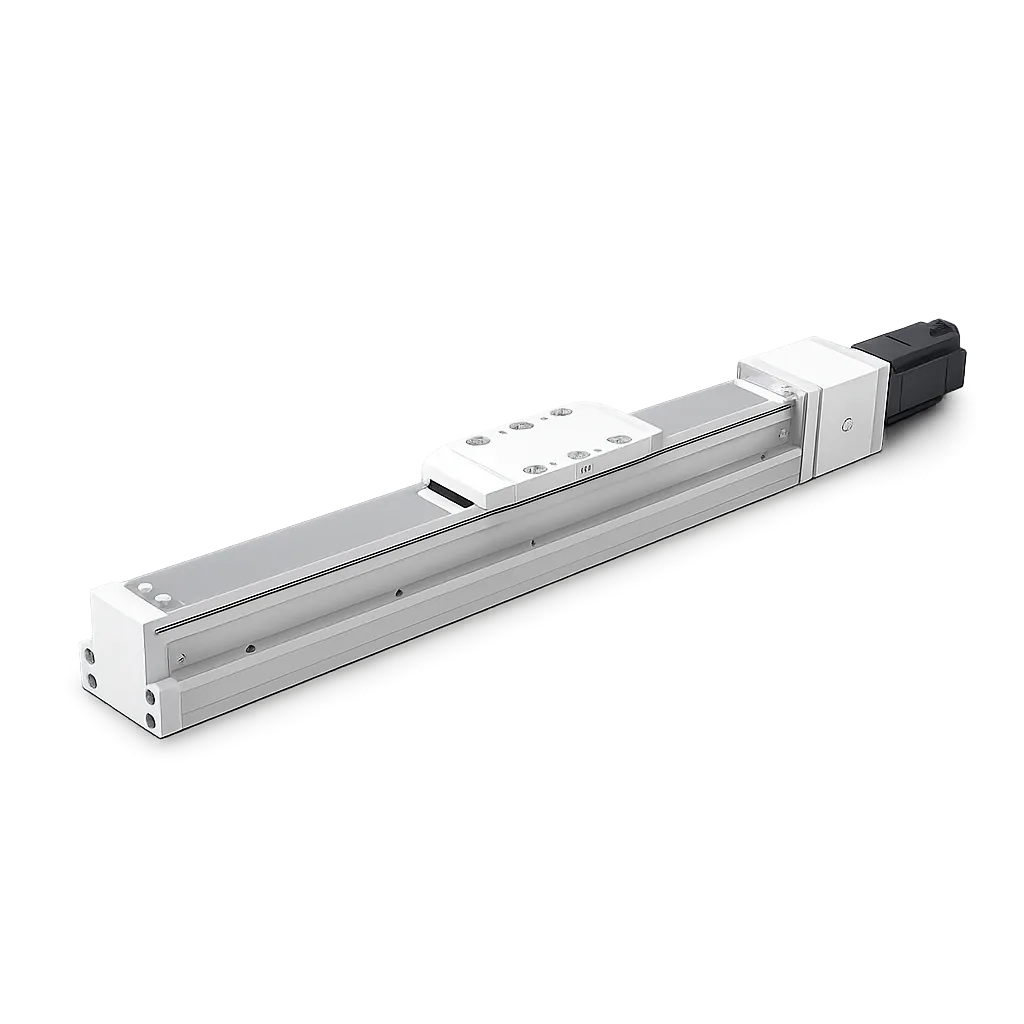
BSFE Series
Compact fully enclosed modules built around an embedded guide structure.
Size-code guide: The numeric suffix identifies the nominal body-width class; for example, 080 means the 80 mm class.
BT SERIES
Belt-Driven Linear Modules
Belt-driven modules grouped by enclosure level for long-travel automation layouts.
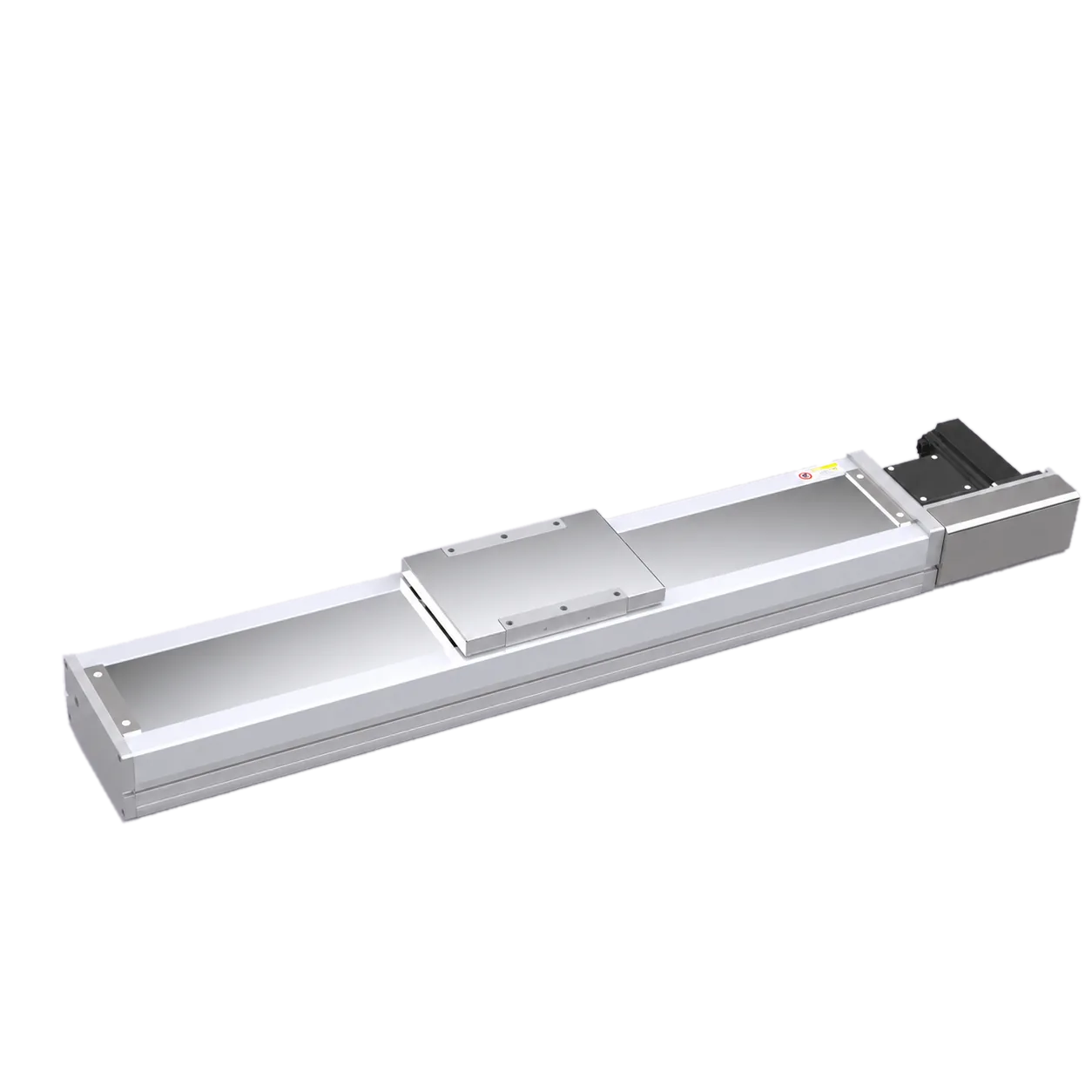
BTF Series
Fully covered belt-driven modules for layouts that benefit from a protected transfer structure.
Size-code guide: The numeric suffix identifies the nominal body-width class; for example, 140 means the 140 mm class.
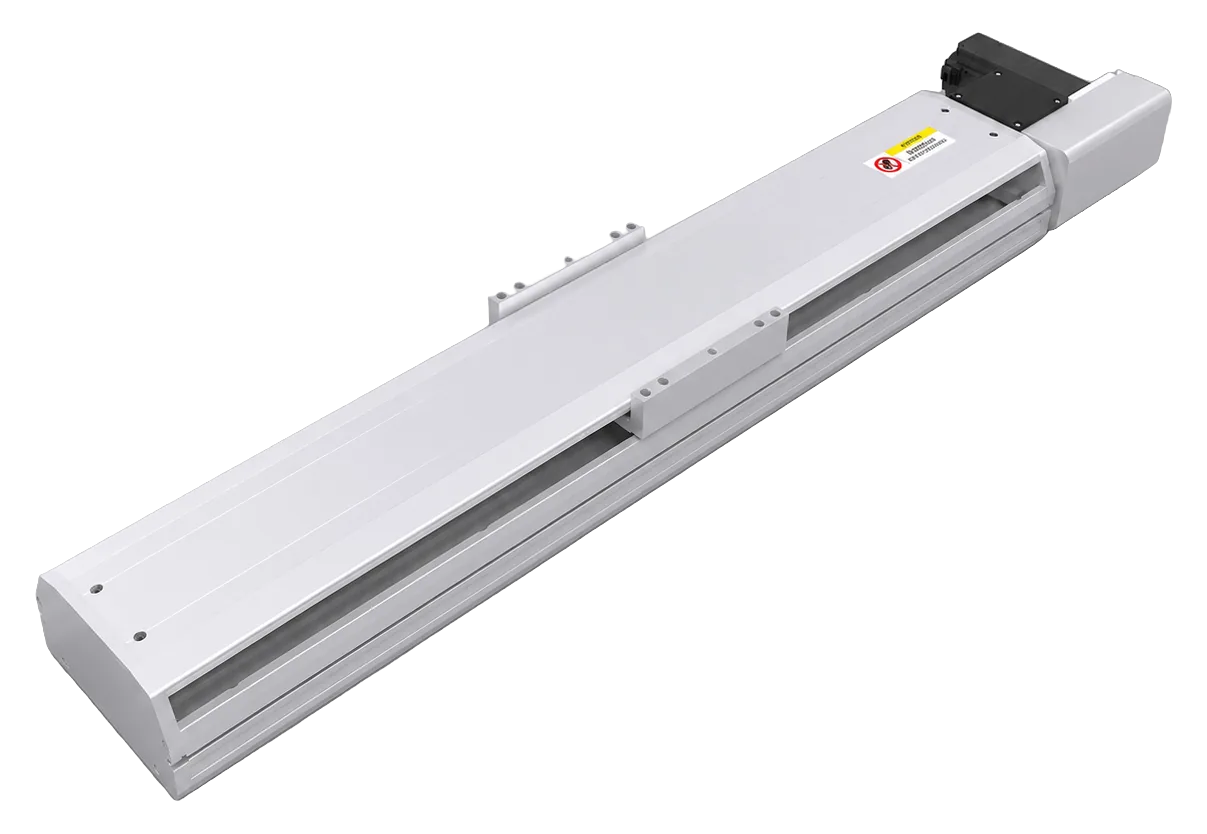
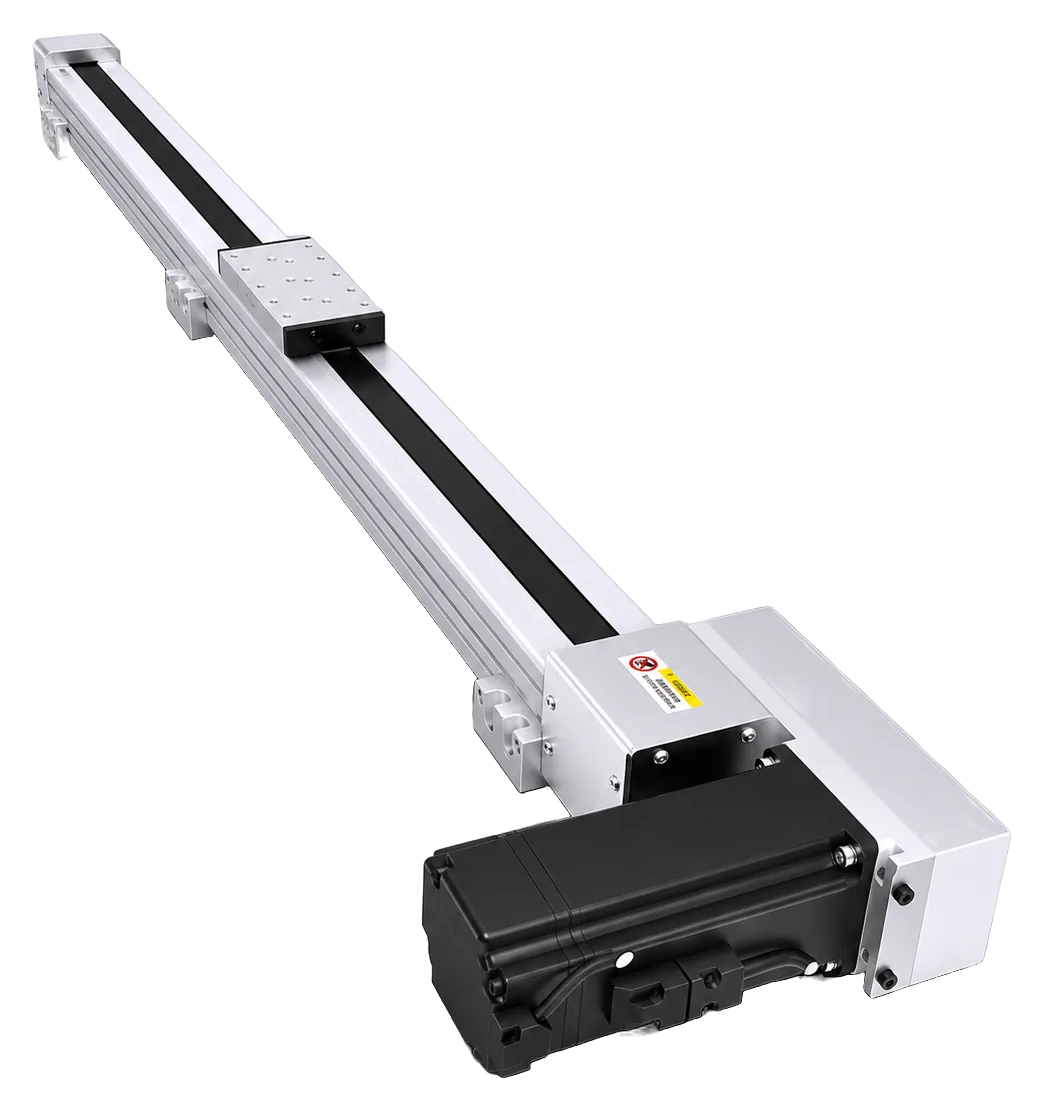
BTC Series
Compact open-type belt-driven modules with direct access to the drive structure.
Size-code guide: The numeric suffix identifies the nominal body-width class; for example, 080 means the 80 mm class.
DD SERIES
Dual-Drive Linear Modules
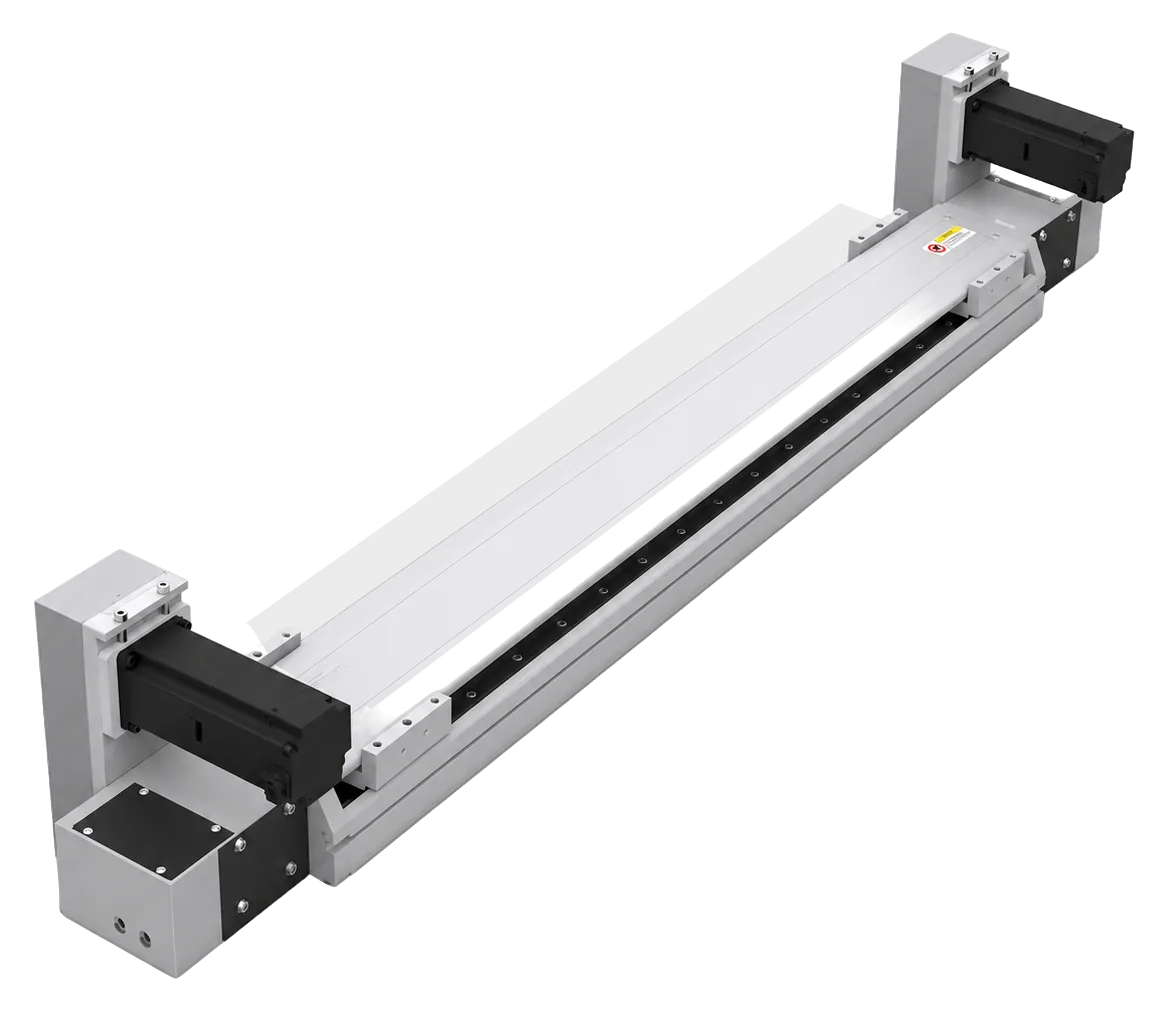
Dual-drive modules for wider moving platforms, with belt and ball-screw variants identified directly in the model code.
AC SERIES
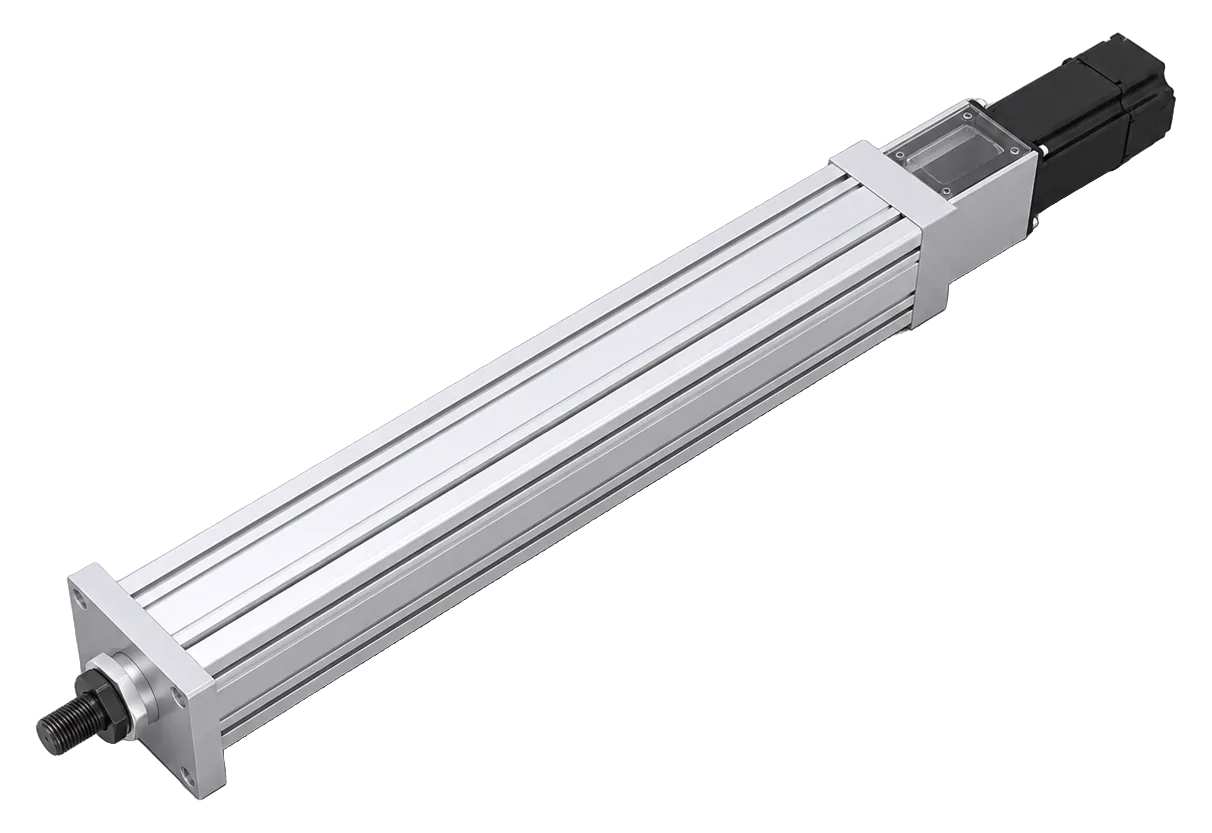
Electric Linear Actuators
Compact electric actuator frame sizes for linear push, lift and positioning tasks.
LM SERIES
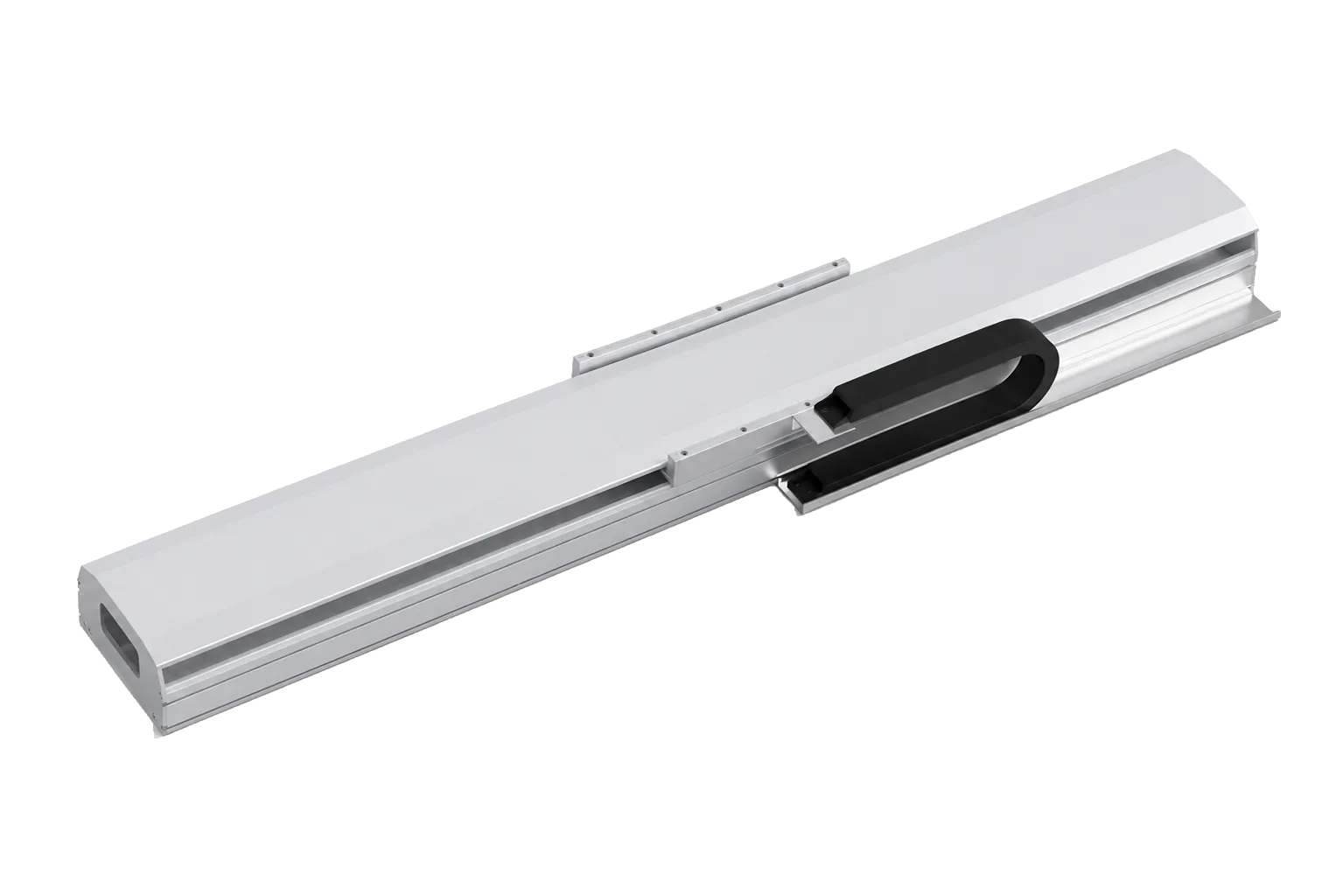
Linear Motor Modules
Direct-drive linear motor modules grouped by frame size for fast-response motion layouts.
RP SERIES
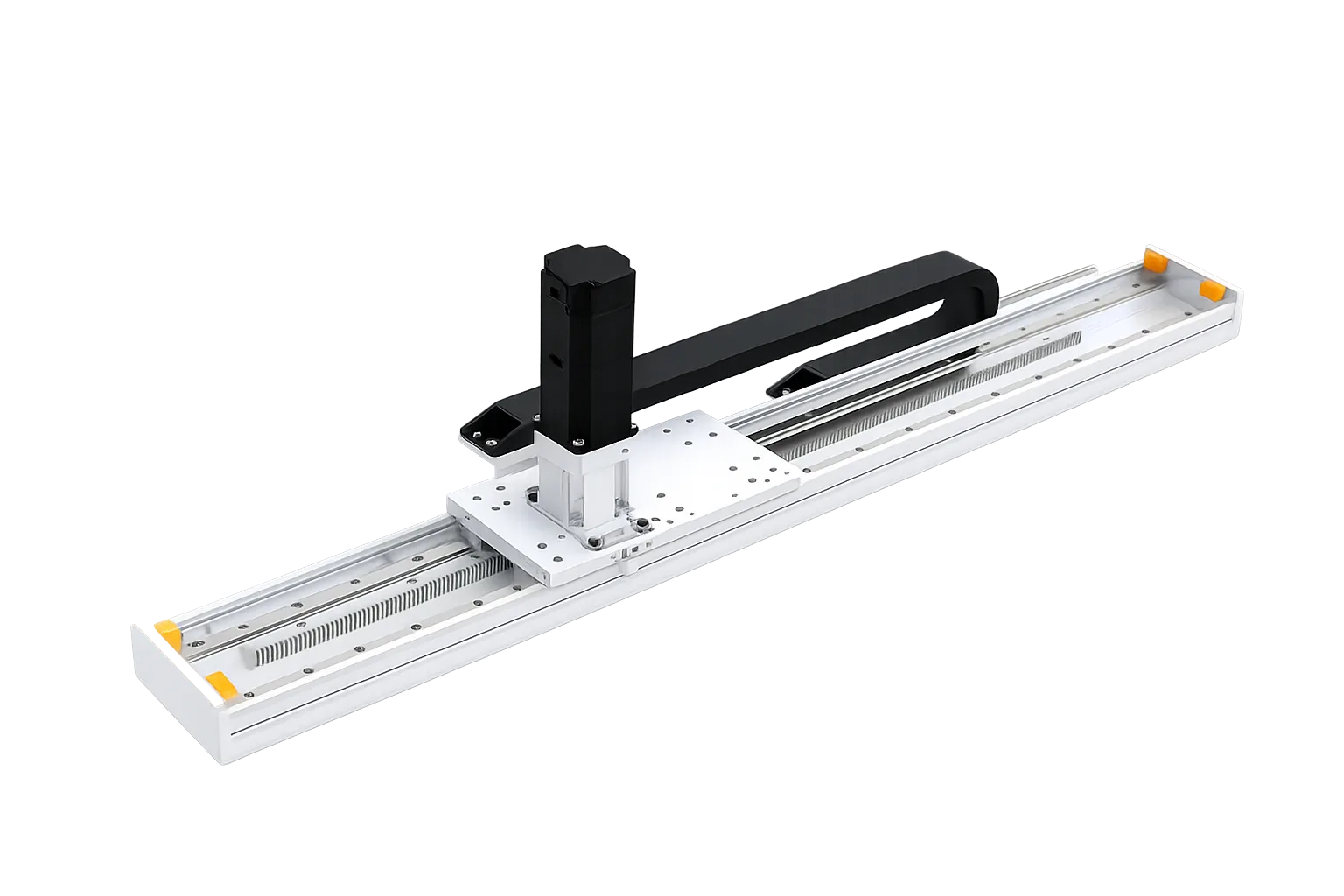
Rack & Pinion Linear Modules
Rack-and-pinion modules organised by frame size for long-stroke and larger-format motion layouts.
What is a linear module?
A linear module (also called a linear axis, linear stage or linear unit) is a ready-to-install axis: aluminium profile, linear guide, drive and motor mount are combined in one assembly. The carriage carries the load and moves it along the stroke to a programmed position, driven by a servo or stepper motor. Compared with an axis built from individual components, a linear module saves design and assembly time and comes with defined ratings for payload, speed and repeatability.
Drive types at a glance
| Drive | Typically used for | HS LINEAR series |
|---|---|---|
| Ball screw | precise positioning, high thrust, vertical axes | BSFD, BSF, BSFE, BSS – 14 models |
| Toothed belt | long strokes, high speed, light to medium loads | BTF, BTS, BTC – 11 models |
| Dual drive | wide carriage platforms | BTDD, BSDD – 3 models |
| Rack and pinion | very long strokes, large machines, several carriages on one axis | RP – 3 models |
| Linear motor | high dynamics and short cycle times, no mechanical transmission | LM – 4 models |
| Electric linear actuator | pushing, lifting and pressing when the load is guided elsewhere | AC – 4 models |
Choosing a linear module in five steps
- Load and mounting orientation: mass, centre of gravity, horizontal, vertical or wall mounting.
- Stroke and installation space: usable stroke plus safety travel, available length and width.
- Speed and cycle time: acceleration, motion profile and duty cycle.
- Accuracy and environment: repeatability, dust, chips or clean conditions – this decides between open, semi-enclosed and fully enclosed designs.
- Motor and sensors: motor type and mounting, a brake for vertical axes, limit and home switches.
Worked examples are in the guide How to Size a Linear Module: Payload, Speed, Thrust and Lead; the choice between ball screw and belt is explained in Ball Screw vs. Belt Drive Linear Modules: How to Choose, and Linear Module vs. Electric Cylinder: Which One Do You Need? shows when a rod-type actuator is the better fit. For two- and three-axis setups, see multi-axis systems.


